What To Do When You Have A Plumbing Emergency
Plumbing problems have a habit of appearing at inconvenient times, but not every dripping tap or slow drain requires urgent help. The challenge is knowing when a problem can wait and when delaying action could lead to water damage, health risks or loss of essential services. Understanding the
signs of a plumbing emergency can help you respond quickly, reduce the impact on your home and give your plumber the information needed to deal with the problem efficiently.
Act Quickly When A Pipe Bursts
A burst pipe can release a large volume of water in a short period, potentially damaging flooring, walls, cabinetry and electrical systems. If you hear water rushing behind a wall, notice sudden pooling indoors or see water spraying from exposed pipework, immediate action is important. Shutting off the water supply should be your first priority before moving belongings away from the affected area and arranging emergency plumbing assistance.
Focus on these immediate steps:
- Turn off the main water supply as soon as it is safe to do so.
- Move valuables, furniture and electrical items away from the water.
- Avoid touching electrical fittings or appliances near standing water.
Taking control of the water supply quickly can substantially limit the spread of damage before professional repairs begin.
Know Where Your Main Water Valve Is
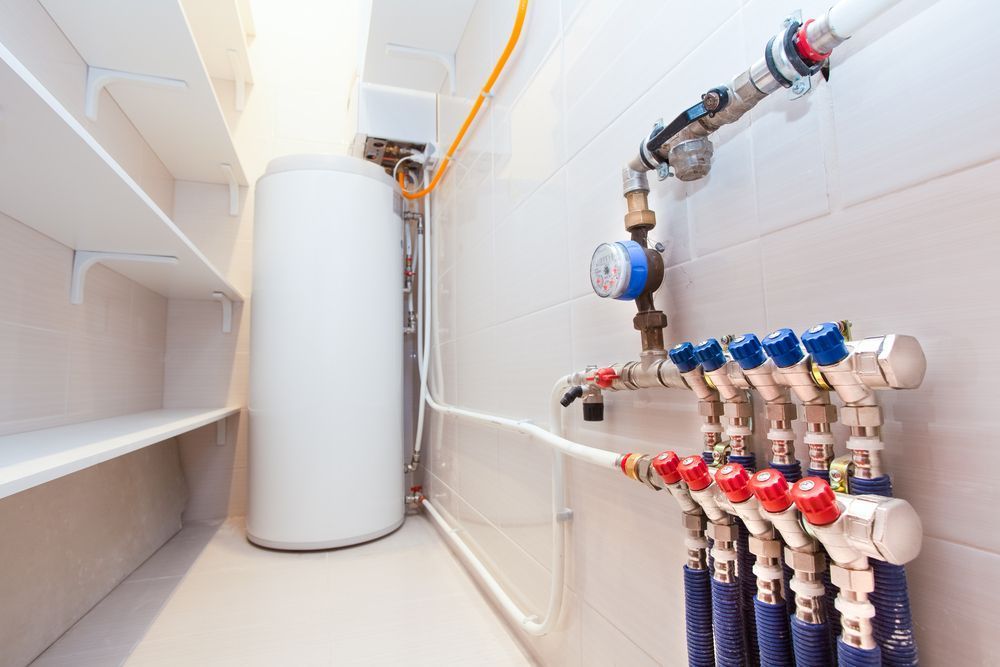
Knowing how to isolate your home's water supply can make a significant difference during a serious leak or burst pipe. The main shut-off valve is generally located near the water meter or where the supply enters the property. It is worth identifying this point before an emergency occurs so you are not searching for it while water is spreading through the house.
A few preparations can make emergencies easier to manage:
- Locate the main water valve and make sure it is accessible.
- Check that household members know where the valve is located.
- Keep the surrounding area clear so it can be reached quickly.
A simple check in advance can save valuable time when an urgent plumbing problem develops.
Treat Sewage Backups As An Urgent Problem
Sewage appearing through a toilet, shower or floor drain should be treated seriously because contaminated wastewater may present hygiene risks and can damage surfaces throughout the home. Avoid using toilets, sinks and appliances connected to the drainage system until the cause has been investigated. Persistent odours, gurgling drains and wastewater coming back through fixtures can indicate a significant blockage or sewer problem.
Until professional help arrives, you should:
- Stop using plumbing fixtures that may add more water to the drainage system.
- Keep children and pets away from contaminated areas.
- Avoid attempting to clear sewage using household chemicals.
Prompt professional assessment can help identify whether the blockage is localised or affecting a larger section of the drainage system.
Pay Attention To Serious Water Leaks
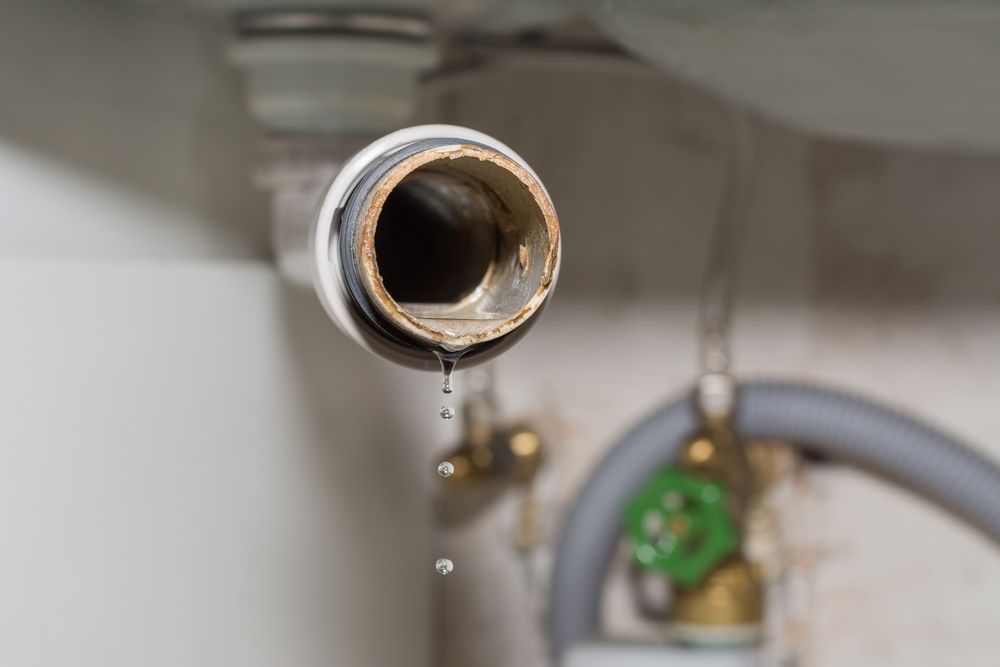
Small leaks can often be scheduled for repair, but fast-flowing or concealed leaks may require urgent attention. Water appearing through ceilings, spreading underneath floors or continuing after a fixture has been turned off may point to a damaged pipe or fitting. When arranging an emergency plumber in Gympie, explain where the water is appearing, how quickly it is spreading and whether you have already isolated the water supply.
Watch for changes such as:
- Rapidly growing wet patches on ceilings, walls or floors.
- Water continuing to flow when taps and appliances are off.
- Unexplained sounds of running water inside walls or under floors.
The severity and location of the leak will help determine how urgently the plumbing system needs to be inspected.
Do Not Ignore A Sudden Loss Of Hot Water
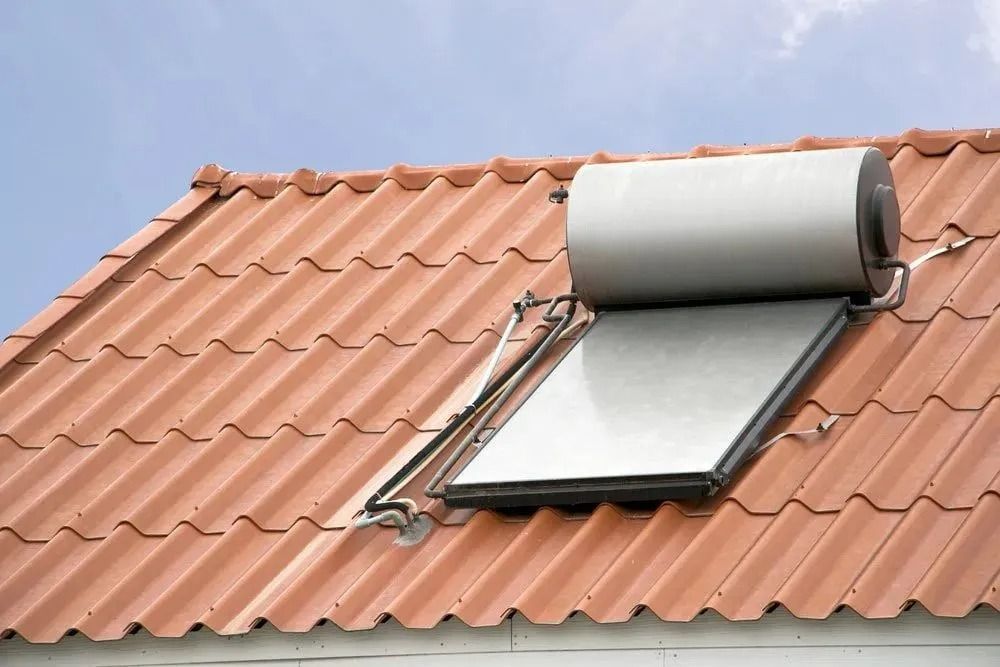
Losing hot water unexpectedly is inconvenient, but it can also indicate a fault that deserves prompt attention, particularly if the system is leaking, making unusual noises or showing electrical problems. Some of the signs your hot water system needs replacing include persistent leaks, repeated breakdowns, inconsistent temperatures and declining performance despite repairs.
Before arranging a repair, check for:
- Water leaking around the storage tank or nearby connections.
- Unusual noises, rust-coloured water or unreliable temperatures.
- A complete loss of hot water that cannot be explained by normal use.
A plumber can inspect the system and determine whether repair or replacement is the appropriate option.
Take Major Leaks Seriously
Not all leaks are immediately visible, which can make them difficult to assess. Sudden increases in water use, damp patches, mould growth or unexplained pooling may indicate a hidden problem. Homeowners dealing with water leaks in Gympie should pay particular attention when water appears near electrical fittings, structural areas or ceilings, as these situations may require a faster response.
Useful checks include:
- Look for moisture around cupboards, walls, ceilings and external pipework.
- Listen for running water when all fixtures are turned off.
- Check whether the water meter continues moving when no water is being used.
Early investigation can help prevent a concealed leak from developing into a larger and more expensive repair.
Recognise When A Blocked Drain Becomes An Emergency
A slow sink can usually wait for a scheduled visit, but a completely blocked toilet, overflowing drain or multiple fixtures backing up at once may require more urgent attention. The signs of a plumbing emergency become clearer when wastewater has nowhere to escape, particularly if sewage begins returning through floor drains or bathroom fixtures. A professional blocked drains service can locate the obstruction and determine whether the problem affects one fixture or the main drainage line.
Signs that need closer attention include:
- Multiple drains backing up at the same time.
- Toilets overflowing despite minimal use.
- Wastewater or strong sewage odours entering the home.
Avoid repeatedly flushing or running water, as this can make an existing blockage worse.
Have The Right Information Ready When You Call
Clear information helps a plumber understand the seriousness of the situation and prepare the appropriate equipment before arriving. Rather than simply saying there is a leak or blockage, describe when the problem started, which fixtures are affected and whether water or sewage is continuing to spread. Mention any steps you have already taken, including isolating the water supply.
Try to have these details ready:
- The location of the problem and the fixtures or rooms affected.
- Whether the water supply has been turned off.
- Any unusual sounds, smells, leaks or recent plumbing work.
Providing accurate details makes it easier for the plumber to assess the urgency and arrive prepared for the likely problem.
Get Emergency Plumbing Help When It Matters
If you are dealing with flooding, sewage, a burst pipe, a major blockage or another problem showing clear
signs of a plumbing emergency, acting promptly can help protect your property and restore essential plumbing services sooner. For homeowners in Gympie, local conditions, property layouts and ageing pipework can all influence how an emergency develops. We at
Malouf Plumbing provide emergency support for urgent plumbing problems, including burst pipes, blocked toilets, major leaks and drainage issues.
Call our emergency line when a serious plumbing problem cannot safely wait for a routine appointment.