What's Involved in a Bathroom Renovation? A Plumbing Guide
Bathroom renovation plumbing involves much more than installing a new shower, toilet or vanity. From relocating water pipes and drainage to connecting fixtures and ensuring everything meets Queensland plumbing requirements, there are several important steps to consider before your renovation begins. If you're planning a bathroom renovation in Gympie, understanding the plumbing process can help you set a realistic budget, coordinate trades and avoid costly changes once construction starts.
At Malouf Plumbing, we understand how important it is to plan the plumbing work before new flooring, waterproofing and tiling are completed. Here's what Gympie homeowners should know about the process.
What Plumbing Work Is Involved?
The plumbing required for a bathroom renovation depends on your existing layout, the condition of your pipes and the fixtures you're installing. A straightforward renovation might involve replacing taps, a toilet and a vanity, while a complete redesign could require extensive changes to water supply and drainage.
The main plumbing tasks generally include:
- Water supply adjustments: Installing, extending or relocating hot and cold water pipes to suit your new layout.
- Drainage modifications: Adjusting waste pipes and drainage connections for showers, baths, basins and toilets.
- Shower and bath plumbing: Preparing water connections, mixers, outlets and waste points for new fixtures.
- Vanity installation: Connecting basin taps, water supplies and waste pipes.
- Toilet installation: Replacing or relocating toilets and ensuring connections are suitable.
- Hot water connections: Checking whether the existing hot water system can accommodate your renovated bathroom.
For homeowners planning bathroom renovations in Gympie, arranging a plumbing assessment early can help identify potential challenges before other trades begin.
Planning Your Bathroom Plumbing Layout
One of the biggest decisions in any bathroom renovation is whether to keep your existing layout or move fixtures to different positions.
Keeping the shower, toilet and vanity in their current locations can reduce the amount of plumbing work required. However, relocating fixtures may improve functionality, particularly in smaller or older bathrooms.
For example, moving a shower to the opposite wall could create more usable floor space. However, the change may require new water supply lines, drainage alterations and additional work beneath the floor.
Before finalising your design, consider how the following elements will affect the plumbing:
- The position of existing water supply and drainage pipes
- Whether the bathroom has a concrete slab or raised floor
- The location of your toilet waste connection
- Available space for new fixtures and fittings
- Access to existing pipework
- The location and capacity of your hot water system
A licensed plumber can assess whether your proposed layout is practical and identify any plumbing limitations before construction begins.
Understanding Bathroom Plumbing Rough-In
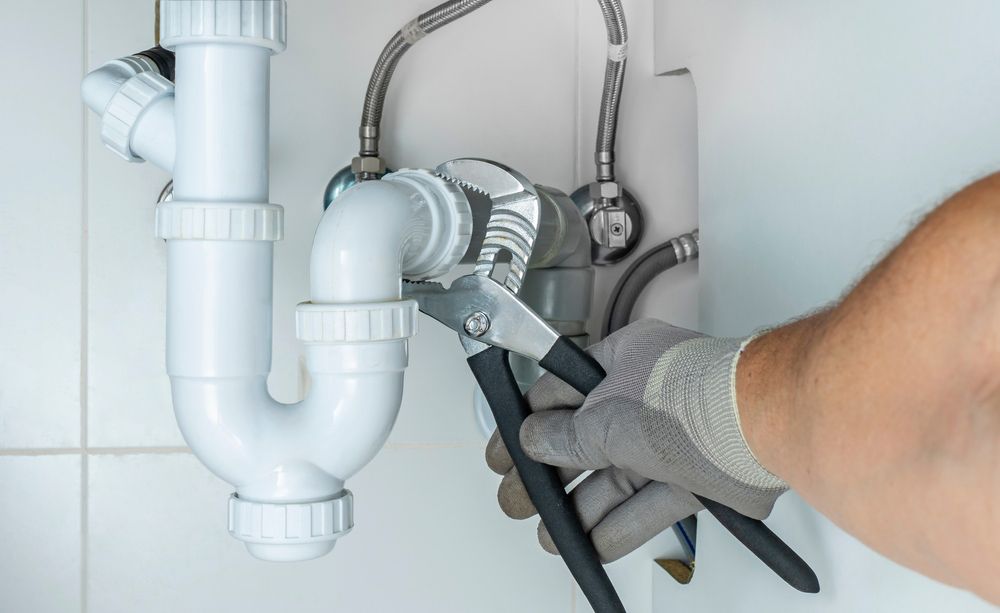
The rough-in stage involves installing or adjusting the plumbing infrastructure before walls and floors are finished. During this stage, your plumber prepares the water supply and drainage connections for the new bathroom layout. This may involve removing outdated pipework, installing new pipes and positioning connections for showers, baths, toilets and vanities.
Rough-in work typically occurs after demolition and before waterproofing, tiling and final fixture installation. Getting this stage right is particularly important because many plumbing connections become concealed behind walls or beneath finished surfaces.
For instance, if you're installing a wall-mounted vanity, the water and waste connections need to be positioned correctly to suit the selected unit.
Changing these connections after tiling can involve removing finished surfaces, creating unnecessary costs and delays.
Shower, Bath and Vanity Plumbing
Different bathroom fixtures have specific plumbing requirements, so selecting your products early can make the renovation process easier.
Shower Plumbing
Shower installations involve connecting hot and cold water supplies, positioning mixers or taps and ensuring wastewater drains correctly. If you're changing from a traditional shower enclosure to a walk-in shower, drainage placement and floor falls require careful coordination with the waterproofing and tiling work.
Bath Plumbing
Installing a new bathtub may involve adjusting water connections and waste outlets to suit the selected design. Freestanding baths, for example, can have different plumbing requirements from built-in models, particularly where the waste connection is located.
Vanity Plumbing
Vanity plumbing includes connecting basin mixers, water supply pipes and waste outlets. Wall-hung vanities and double basins may require additional planning, especially when replacing a traditional single-basin cabinet. Choosing your fixtures before the rough-in stage helps ensure the plumbing connections suit the products being installed.
Toilets, Taps and Fixtures
Replacing old toilets and tapware is a common part of bathroom renovations, but not every new fixture will connect directly to the existing plumbing. Toilet configurations vary, including close-coupled, back-to-wall and wall-hung designs. Each can have different requirements for water supply and waste connections. Likewise, changing from separate hot and cold taps to a mixer may require adjustments to the pipework.
When selecting new fixtures, consider compatibility with your existing plumbing, water efficiency and ease of maintenance. Our
taps and toilets Gympie service is a useful starting point for homeowners considering toilet repairs or replacements as part of their bathroom improvements. Choosing suitable fixtures early can help avoid unexpected installation changes later.
Hot Water System Considerations
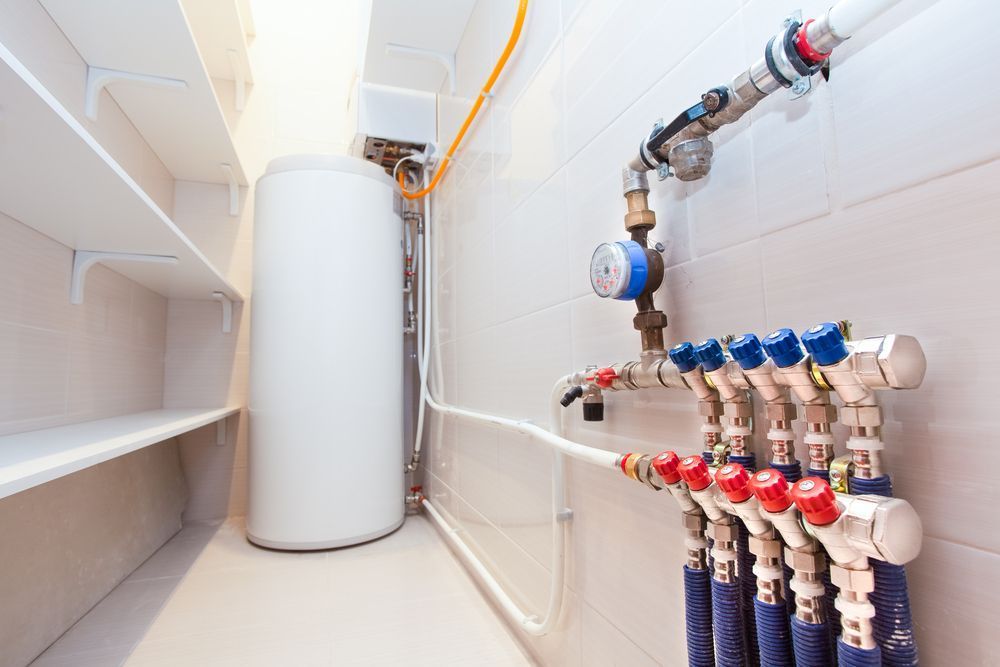
A bathroom renovation is also an opportunity to assess whether your existing hot water system meets your household's needs. Adding a second shower, installing a larger bath or upgrading to higher-flow shower fittings may increase hot water demand.
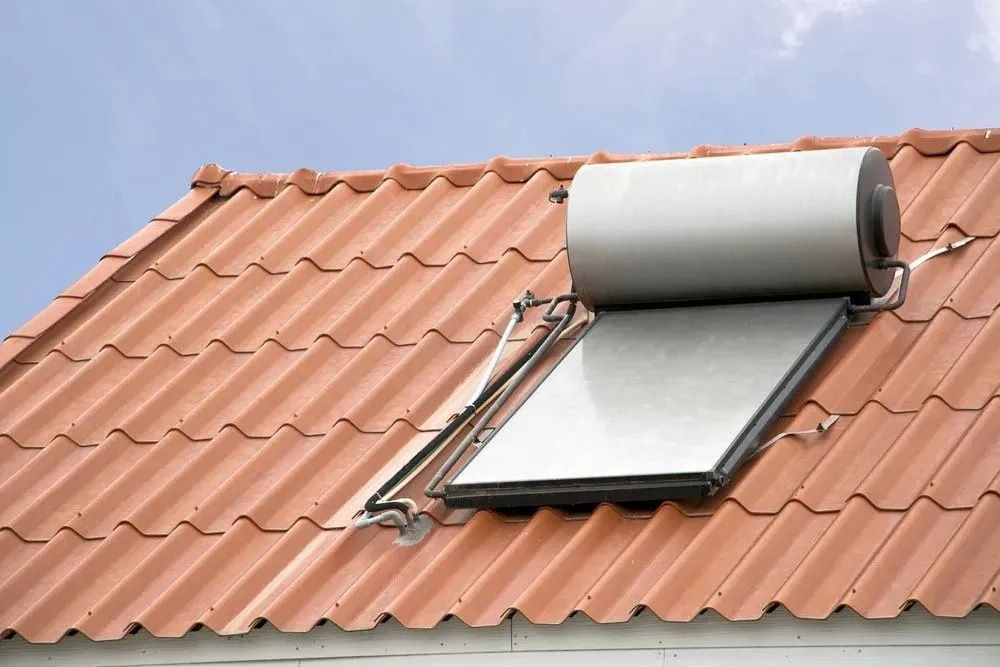
Before making changes, consider your household size, current system capacity and typical hot water usage. If your renovation includes a system replacement, our guide to solar vs electric hot water systems can help you understand the differences between these options. A plumber can assess the existing installation and explain whether adjustments or upgrades are appropriate.
Importantly, not every bathroom renovation requires a new hot water system. If your current system is operating efficiently and meeting demand, it may be suitable to retain.
Do You Need a Licensed Plumber?
If you're wondering, "do i need a plumber for bathroom renovation?", the answer depends on the work being completed. In Queensland, regulated plumbing and drainage work generally must be completed by appropriately licensed professionals. This includes many tasks involving water supply pipes, sanitary drainage and the installation or relocation of plumbing fixtures.
Homeowners can generally complete non-regulated cosmetic tasks, such as painting or installing accessories, provided those activities don't involve restricted plumbing work. However, relocating a toilet, altering concealed pipework or installing new drainage connections is not suitable for an unlicensed DIY approach.
Licensed plumbing work helps ensure installations comply with applicable requirements and reduces the risk of leaks, drainage problems and future repairs. Some renovation work may also require plumbing approvals or inspections, depending on the scope and local requirements. Before beginning major changes, confirm the relevant requirements with your licensed plumber and local authority.
Bathroom Renovation Plumbing Costs
Understanding bathroom renovation cost plumbing factors can help you prepare a more realistic budget. The plumbing component of a renovation varies considerably depending on the work involved. Replacing fixtures in their existing positions is generally less complex than relocating multiple plumbing connections. Several factors can influence the final cost.
- Existing plumbing condition: Older pipes, damaged connections or unsuitable drainage may require additional repairs.
- Fixture relocation: Moving toilets, showers or vanities can increase labour and material requirements.
- Property construction: Accessing plumbing beneath a concrete slab may involve more extensive work than accessing pipes beneath a raised floor.
- Fixture selection: Wall-hung toilets, freestanding baths and multiple shower outlets can have different installation requirements.
- Hot water upgrades: Changes to the hot water system may increase the overall project budget.
- Access and approvals: Difficult access, concealed plumbing issues and applicable approval requirements can also affect costs.
For example, a renovation that retains the existing plumbing layout may involve fewer alterations than one that moves the toilet and shower to opposite sides of the room. Getting a plumbing assessment before finalising your renovation budget can help identify the work required and reduce unexpected expenses.
Your Bathroom Renovation Checklist
A bathroom renovation checklist helps you organise the plumbing work alongside other trades and keep the project moving. Before construction begins, work through these key steps:
- Assess your existing bathroom: Identify fixtures you want to retain, replace or relocate.
- Choose your new layout: Consider functionality, available space and plumbing connection locations.
- Select your fixtures: Confirm your shower, bath, toilet, vanity and tapware specifications.
- Arrange a plumbing assessment: Have a licensed plumber review the proposed changes.
- Confirm costs and approvals: Understand the plumbing scope, budget and any relevant compliance requirements.
- Coordinate the rough-in: Schedule plumbing alterations after demolition and before surfaces are finished.
- Complete waterproofing and tiling: Arrange appropriately qualified trades and required inspections.
- Install and test fixtures: Have your plumber complete connections and check for leaks and correct operation.
Coordinating these stages early can reduce delays and prevent completed work from needing to be removed or altered.
How Long Does Plumbing Work Take?
The time required for plumbing for bathroom renovation projects depends on the layout, existing pipework and complexity of the changes. A straightforward fixture replacement may require relatively little plumbing time, while a complete bathroom redesign can involve multiple visits throughout the renovation. Plumbing work is generally divided into several stages.
- Initial assessment: Your plumber reviews the bathroom layout, fixture selections and required plumbing modifications.
- Rough-in: Water supply and drainage connections are installed or relocated before walls and floors are finished.
- Final fit-off: Once waterproofing, tiling and other finishes are complete, the plumber returns to install and connect the fixtures.
- Testing: Connections are checked for leaks, drainage performance and correct operation.
Remember that the overall renovation timeline also depends on demolition, waterproofing, curing times, tiling and the availability of other trades.
Choosing a Bathroom Renovation Plumber
Choosing the right plumber bathroom renovation Gympie homeowners can engage involves more than comparing quotes. Look for a properly licensed professional who can assess the existing plumbing, explain the proposed work and coordinate with your renovation schedule.
If you've been searching for bathroom renovations near me Gympie, it's worth discussing your plans with a local plumbing professional before committing to a final layout. Ask about the plumbing work required, whether existing connections can be reused and how the installation will fit around your builder, waterproofer and tiler. A clear understanding of the scope helps you make informed decisions and avoid unnecessary changes during construction.
Plan Your Renovation With Confidence
Successful bathroom renovations start with careful planning. Understanding your plumbing layout, selecting compatible fixtures and arranging licensed plumbing work early can make the process more straightforward. Whether you're updating a small ensuite or redesigning a family bathroom, getting professional advice before construction begins can help you manage costs and avoid complications.
Planning a bathroom renovation in Gympie? Contact Malouf Plumbing to discuss your plumbing requirements and
get a quote. We'll help you understand the work involved and the next steps for your renovation.
Can I keep my existing bathroom pipes?
Yes, existing pipes may be suitable for reuse if they're in good condition, correctly sized and compatible with your proposed layout. A licensed plumber can assess their condition before renovation work begins.
Should I buy bathroom fixtures before calling a plumber?
It's helpful to have an idea of your preferred fixtures, but getting plumbing advice before purchasing can prevent compatibility issues. Some toilets, vanities and baths require specific connection positions.
Can I move my toilet during a renovation?
Yes, toilets can often be relocated, although the feasibility depends on the existing drainage layout and floor construction. Moving the toilet may require significant drainage modifications.
Do bathroom renovations need council approval?
Some plumbing and drainage alterations require approval or inspection in Queensland, while other work may fall under different regulatory categories. Your plumber can help identify the requirements relevant to your project.
When should I book a plumber?
Ideally, contact a plumber during the planning stage, before demolition begins or the final layout is confirmed. This allows time to assess existing connections, identify potential issues and coordinate the required plumbing work.
Frequently Asked Questions