Solar vs Electric Hot Water Systems: Which Is Right for Your Gympie Home?
Choosing the right hot water system is an important decision for any homeowner. Hot water plays a daily role in showers, laundry, cleaning and kitchen use, so the system you choose can influence household comfort, running costs and long-term energy use. For many residents, deciding between solar and electric options is a common dilemma when reviewing hot water systems in Gympie.
Both solar and electric hot water systems have their place, and the right choice depends on factors such as household size, budget, roof space, energy preferences and local conditions. Gympie’s climate, housing styles and energy infrastructure all play a part in determining which option may suit your home best. This guide compares solar and electric systems in a clear, practical way to help homeowners make an informed decision.
Understanding Hot Water Systems in Gympie Homes
Gympie homes vary widely, from older properties on larger blocks to newer builds designed with energy efficiency in mind. This variety means there is no single “right” system for everyone. Instead, homeowners benefit from understanding how each option works and how it aligns with their household needs.
When considering hot water systems in Gympie, it’s helpful to think beyond the upfront cost and look at long-term energy use, environmental impact and how well the system fits your daily routines.
How Solar Hot Water Systems Work
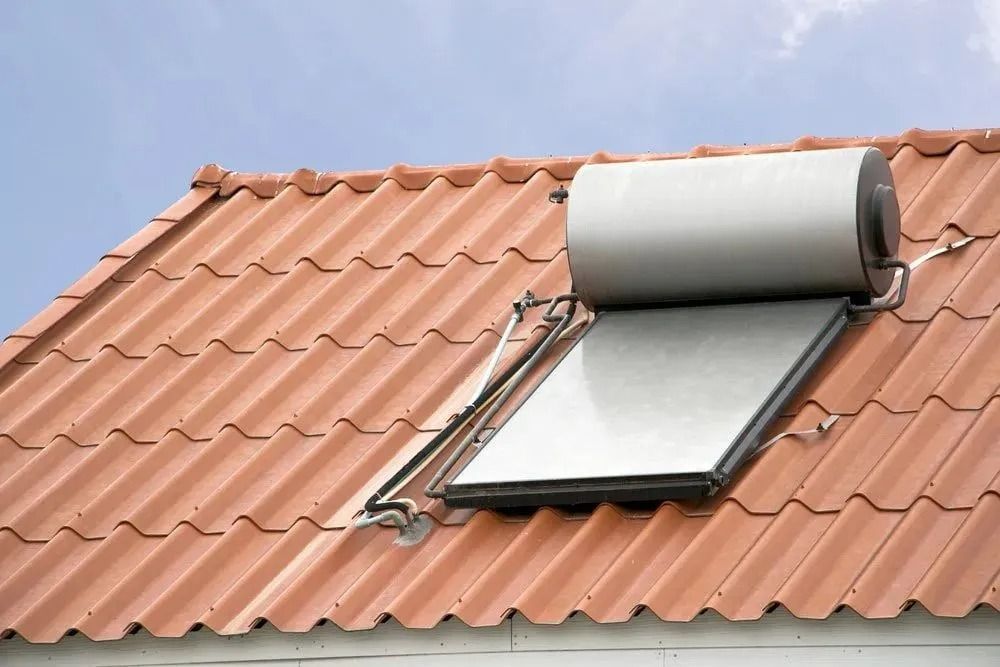
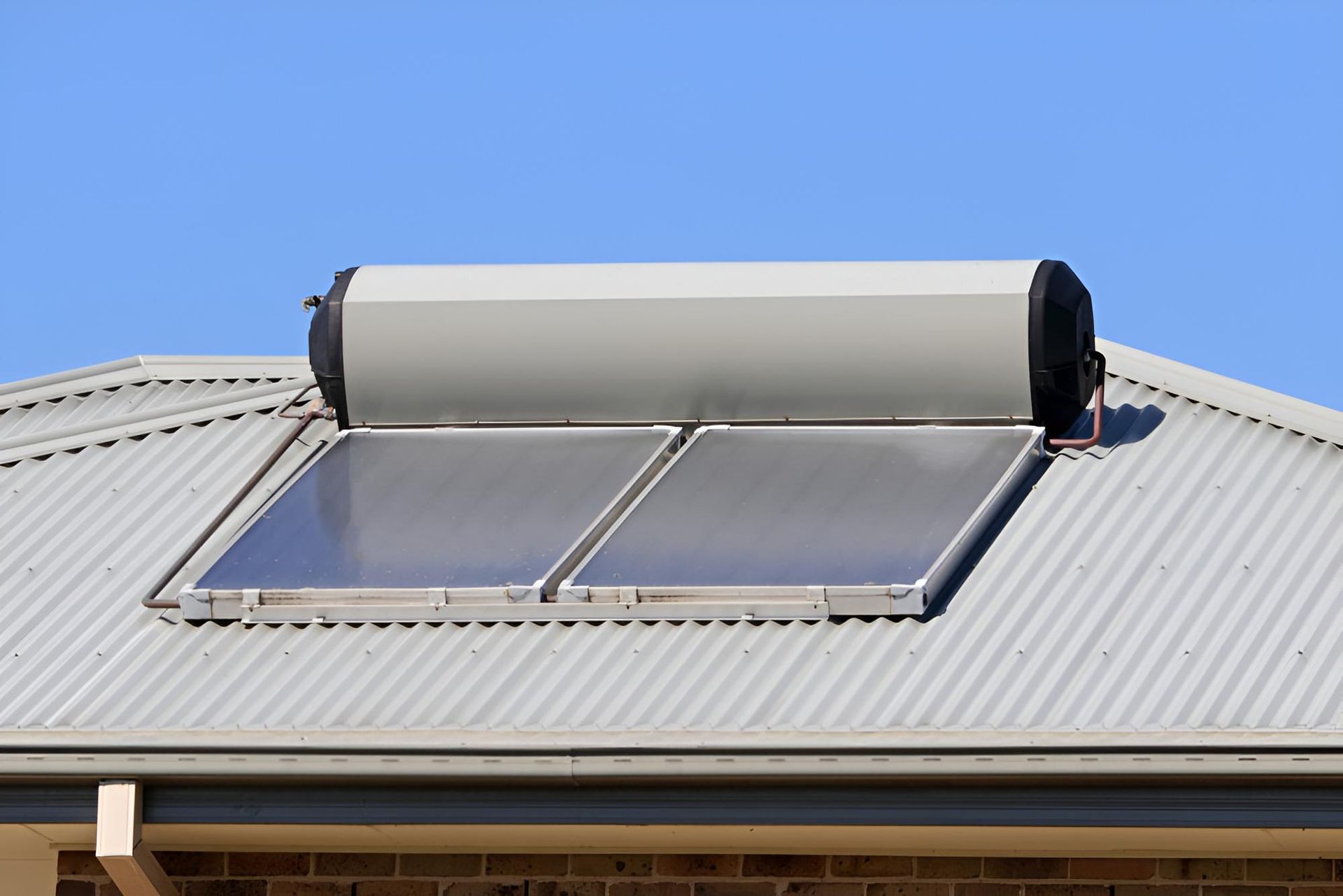
Solar hot water systems use roof-mounted solar collectors to capture energy from the sun and heat water stored in an insulated tank. Depending on the system design, the tank may be located on the roof or at ground level.
Most solar systems include a booster — either electric or gas — to help heat water when sunlight is limited, such as during extended cloudy periods or high-demand usage.
Key features of solar systems include:
- Solar collectors installed on the roof
- Insulated storage tanks
- Booster systems for backup heating
- Reliance on renewable solar energy
Gympie’s generally sunny climate makes solar a viable option for many households.
How Electric Hot Water Systems Work
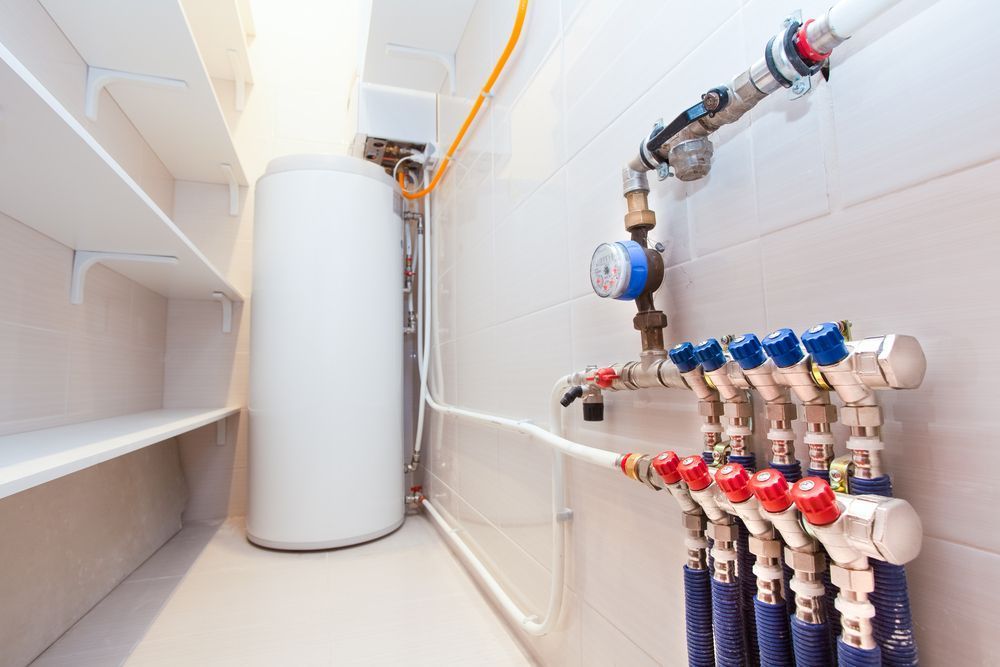
Electric hot water systems use an electric element to heat water stored in a tank. These systems are widely used due to their straightforward design and accessibility.
Electric systems can operate on standard power tariffs or off-peak electricity, depending on the setup and household preferences.
Common characteristics of electric systems include:
- Simple installation requirements
- Consistent heating regardless of weather
- Compatibility with most properties
- Availability in a wide range of tank sizes
Electric hot water in Gympie remains a popular choice for homes seeking a reliable and familiar solution.
Comparing Energy Costs
One of the main considerations for homeowners is the ongoing cost of heating water.
Solar Hot Water Energy Costs
Solar systems rely heavily on sunlight, which means much of the energy used to heat water comes from a renewable source. Over time, this can reduce reliance on electricity, particularly during sunny months.
However, costs may still arise from:
- Booster operation
- Maintenance of solar components
- Electricity used during low-sunlight periods
While solar systems often have higher upfront costs, some households find that reduced energy use balances this out over the long term.
Electric Hot Water Energy Costs
Electric systems draw energy directly from the power grid. Running costs depend on:
- Electricity tariffs
- Household hot water usage
- Tank size & efficiency
Electric systems on off-peak tariffs may offer lower running costs, but availability depends on local energy infrastructure and household usage patterns.
Environmental Considerations
Environmental impact is an increasingly important factor for many homeowners.
Solar Systems & Environmental Impact
Solar hot water systems use renewable energy, reducing dependence on fossil fuels during operation. This may result in lower household emissions compared to fully electric systems.
Environmental considerations include:
- Reduced grid electricity usage
- Lower emissions during solar heating periods
- Manufacturing & installation footprint
For homeowners interested in eco-friendly living, solar systems often align with sustainability goals.
Electric Systems & Environmental Impact
The environmental footprint of electric hot water systems depends largely on how electricity is generated. In areas where renewable energy makes up part of the grid, the impact may be lower.
Electric systems do not produce on-site emissions, but overall environmental considerations relate to energy sourcing and consumption.
Suitability for Different Gympie Homes
Every home has unique requirements, and system suitability can vary.
When Solar May Suit Your Home
Solar hot water systems may be suitable if:
- You have sufficient roof space with good sun exposure
- Your household uses a consistent amount of hot water
- You are planning for long-term energy considerations
- You are comfortable with a higher initial investment
Homes with limited shading and appropriate roof orientation may benefit most from solar systems.
When Electric May Be the Better Fit
Electric hot water in Gympie may suit homes that:
- Have limited roof space
- Experience variable hot water usage
- Prefer lower upfront costs
- Need a straightforward replacement system
Electric systems are often chosen for smaller households, investment properties or homes where solar installation is not practical.
Installation Considerations
Installation requirements differ between system types and can influence decision-making.
Solar Hot Water Installation
Installing a solar system typically involves:
- Roof-mounted collectors
- Structural considerations for tank placement
- Plumbing & electrical connections
- Potential council or regulatory requirements
The installation process can be more complex than electric systems and may take longer to complete.
Electric Hot Water Installation
Electric systems generally involve:
- Replacing or installing a ground-mounted tank
- Connecting to existing electrical & plumbing infrastructure
- Minimal structural changes
For many homeowners, electric hot water system installation is quicker and less disruptive.
Maintenance and Longevity
Maintenance requirements are another factor to weigh up.
Solar System Maintenance
Solar systems have additional components that may require periodic checks, including:
- Solar collectors
- Valves & fittings
- Booster systems
Regular maintenance supports consistent performance over time.
Electric System Maintenance
Electric systems have fewer components and may require less frequent maintenance, focusing mainly on:
- Tank condition
- Heating element performance
- Safety valves
Both systems benefit from periodic inspections to identify wear and potential issues early.
Performance During Peak Demand
Household size and usage patterns influence how well a system meets daily demand.
Solar systems may perform well during sunny days but rely more on boosters during extended high-use periods or poor weather. Electric systems provide consistent heating regardless of conditions but may have limitations depending on tank size and tariff settings.
Matching system capacity to household demand is key for both options.
Planning for the Future
When choosing between solar and electric systems, it can help to consider future plans.
Questions to think about include:
- Will household size change?
- Are energy prices likely to influence future costs?
- Is sustainability an ongoing priority?
- Are renovations or extensions planned?
Long-term thinking can help guide the choice that best aligns with your lifestyle and goals.
Making an Informed Choice for Hot Water Systems in Gympie
There is no universal answer when comparing solar and electric systems. Both options offer advantages, and the right choice depends on how energy costs, environmental considerations and home suitability align for your household.
Understanding the differences allows homeowners to weigh practical factors rather than relying on assumptions. Whether prioritising upfront affordability, long-term energy use or environmental considerations, clarity helps support confident decision-making.
Hot Water Systems in Gympie – Exploring Your Options
At Malouf Plumbing, we assist homeowners with hot water systems in Gympie, offering guidance on both solar and electric options to suit a range of households. Whether you’re considering electric hot water in Gympie or planning a new hot water system installation, our team can help you explore solutions that align with your home, budget and long-term preferences. Visit our website or learn more about our services to discuss your hot water needs.