8 Common Signs Your Hot Water System Needs Replacement
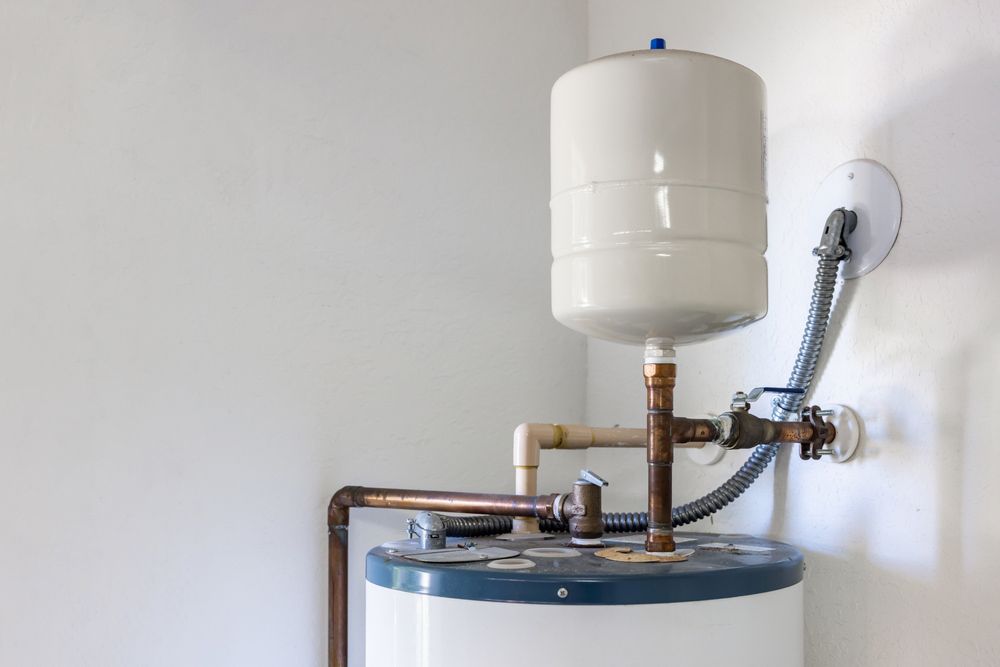
It’s easy to forget about your hot water system—until it stops working the way it should. One day, your shower feels more like an icy wake-up call. Next, you’re noticing rusty water or strange sounds coming from the tank. These small annoyances can quickly escalate into major problems, especially if the system is nearing the end of its lifespan.
Understanding the early warning signs of a failing hot water system can save you the inconvenience of a total breakdown, as well as the cost of emergency repairs. Whether you’re a homeowner or manage rental properties, spotting these red flags early makes it easier to plan for a replacement before the issue worsens.
Let’s walk through the most common signs that your hot water system might need to be replaced.
1. Inconsistent Water Temperature That Never Stays Just Right
When your water flicks between hot and cold without warning, it’s more than just annoying—it’s a sign something’s wrong.
Water temperature issues can point to:
- A faulty thermostat that struggles to regulate heat
- A worn-out heating element that doesn’t produce enough hot water
- Sediment buildup in the tank affecting performance
Minor temperature swings may be fixable with a quick
hot water repair in Gympie, but when the problem keeps recurring, it’s often more cost-effective to upgrade the entire unit.
2. Rusty or Discoloured Water Flowing from the Taps
If your water starts to come out with a brown, yellow, or reddish tint, don’t ignore it. Discoloured water usually indicates the presence of rust, either in your pipes or the hot water system itself.
What causes rusty hot water?
- Internal tank corrosion, particularly in older steel systems
- Failing sacrificial anode rods, which are meant to attract corrosion away from the tank
- Ageing galvanised plumbing connected to the system
What to do next
If the discolouration only appears with hot water, it’s likely a problem with your system. In that case, flushing the tank or replacing the anode might help—but if rust is widespread, it’s time to consider a new unit.
3. Strange Noises Like Rumbling or Banging from the Tank
Your hot water system shouldn’t sound like it’s preparing for lift-off. Popping, banging or rumbling noises usually mean there’s a thick layer of sediment inside the tank.
Here’s what these sounds could mean:
- Popping = water trapped under sediment boiling rapidly
- Rumbling = heated sediment moving around inside the tank
- Banging = expansion and contraction from pressure or sediment shifts
While a professional can flush the tank to remove sediment, persistent noise could mean internal damage. Systems that are noisy and underperforming often don’t have long left.
4. Leaks Around the Tank or Wet Areas Nearby
A pool of water under your hot water system isn’t something to brush off. Leaks tend to start small—maybe a trickle or some dampness around the base—but they can quickly escalate.
Look out for:
- Water around pipe fittings or pressure relief valves
- Drips from the base of the tank
- Corrosion or rust stains near leak points
Leaks usually point to structural failure. Once the tank itself is compromised, patch repairs are no longer an option—replacement becomes essential.
5. Your Hot Water Runs Out Much Quicker Than It Used To
Does your hot water run cold halfway through a single shower? Reduced capacity can sneak up on you, especially if your household has grown or if the system is ageing.
Common reasons for running out of hot water:
- Sediment buildup reducing the tank volume
- Only one heating element working in a dual-element system
- A thermostat that cuts off the heat too early
If your system can no longer meet your day-to-day needs, it’s time to explore an upgrade that suits your current usage—not what you needed a decade ago.
6. Higher-Than-Normal Energy Bills Without a Clear Cause
If your energy bills are creeping up but your usage habits haven’t changed, your hot water system might be to blame. Older units lose efficiency as parts wear out, forcing the system to work harder and stay on longer just to maintain a constant water temperature.
Possible system issues draining power:
- Failing insulation leading to heat loss
- Malfunctioning thermostats keeping the element on too long
- Sediment forcing longer heating cycles
Investing in a modern, energy-efficient hot water system can make a big difference to ongoing costs—especially if your current one is more than 10 years old.
7. Your Hot Water System Is More Than 10 Years Old
Most hot water systems are built to last between 8 and 12 years. After that, performance typically declines, and the risk of failure increases significantly.
Age-related warning signs:
- Longer heat-up times
- Noisy operation
- Rising repair frequency
- Unreliable water temperatures
If your system is approaching the 10-year mark and showing multiple signs of wear, replacing it before it breaks can save you from cold showers and costly emergency callouts.
8. Frequent Repairs Are Becoming the Norm
A quick repair might be acceptable on occasion. But if you're calling a plumber every few months, it’s a clear sign your hot water system could be on its last legs.
There comes a point where the money spent on patching up an old unit would be better invested in a new, reliable system. Even when the fixes seem minor, they often mask deeper wear and tear within the tank or internal components.
When repairs start adding up:
- Replacing valves, elements or thermostats multiple times
- Constant leaks needing patches
- Breakdowns right after previous fixes
Spending money on an old, unreliable system often costs more than installing a new one. Modern units come with warranties, are more efficient, and offer years of stress-free hot water.
Schedule a Hot Water System Maintenance Check
At Malouf Plumbing, we help homeowners and property managers in Gympie make smart choices about their hot water needs. Whether you need a quick repair, a routine check, or a full system replacement, we’ll clearly discuss your options and handle everything professionally.
Learn more about our
hot water systems in Gympie. Please
contact us by phone or through our
contact page to arrange an inspection or request a quote. Don’t wait until the next cold shower—let’s make sure your system is working as it should.