How Long Does a Hot Water System Last in Gympie?
Most
hot water systems fail without much warning. One day the pressure drops, the water runs lukewarm, or you spot rust staining around the base of the tank and realise you haven't given the thing a second thought in years. So how long does a hot water system last? For most electric and gas storage units, the realistic answer is eight to twelve years. Solar systems can push well past twenty with proper care, and heat pumps generally sit somewhere in between. Knowing where your system sits in that window is the difference between a planned upgrade and an inconvenient emergency. The actual lifespan of any unit comes down to more than just age. The type of system, how well it's been maintained, the quality of your water supply and how hard the system works daily all influence how long it keeps running reliably. This blog steps through each of those factors, along with the signs that a replacement is overdue and when repair simply stops making financial sense.
How Long Do Hot Water Systems Last by Type
The system type installed in your home sets the baseline for how long you can reasonably expect it to last before performance declines or faults become frequent.
Electric storage units are the most common in Australian homes, and they're also the most predictable in terms of lifespan.
Here's a general guide to hot water system lifespan by type:
- Electric storage systems: 8 to 12 years on average
- Gas storage systems: 8 to 12 years, sometimes longer with regular servicing
- Heat pump systems: 10 to 15 years depending on usage and maintenance
- Solar hot water systems: 15 to 20-plus years, though the storage tank may need replacing sooner than the collectors
These are industry benchmarks rather than guarantees. A well-maintained electric unit in a two-person household will likely outlast a neglected one in a busy family home. The figures give you a useful reference point, but the condition of your specific unit matters just as much as its age.
What Makes Electric Systems the Most Common Choice
Electric hot water systems have been the default option in Australian homes for a long time, and that's largely down to practicality rather than any single standout feature.
They don't require a gas connection, they're straightforward to install and they operate reliably in all weather conditions. For households without access to natural gas, they're often the most sensible starting point.
A few things worth understanding about electric storage systems:
- Off-peak electricity tariffs can reduce running costs considerably if your system is set up to heat overnight
- Tank sizes typically range from around 25 litres up to 400 litres, covering everything from a studio apartment to a large family home
- The heating element and thermostat are the most common points of failure in older units
- Newer models meet current energy efficiency standards, which older systems often don't
If your home runs an electric unit, the eight-to-twelve-year benchmark is the most relevant figure to keep in mind when assessing whether to repair or replace.
The Effect of Water Quality on System Longevity
Water quality is one of the less obvious factors that directly affects how long a hot water system lasts, but its impact on internal components is significant over time.
Hard water carries higher concentrations of dissolved minerals, particularly calcium and magnesium. These minerals settle and build up inside storage tanks and on heating elements, reducing efficiency and accelerating wear.
Consider the following:
- Scale accumulation on heating elements forces the system to work harder to reach temperature, which shortens the element's life
- Sediment collecting at the base of the tank can trigger localised overheating in the lower element
- Homes on bore water or tank water are particularly susceptible to faster internal corrosion
- The sacrificial anode rod is specifically designed to absorb corrosive elements before they attack the tank lining, but it degrades over time and needs periodic replacement
If your home draws from a bore or rainwater tank, or you've never had the anode rod inspected, it's worth raising with a licensed plumber before it becomes a more expensive problem.
Why Regular Servicing Extends the Life of Your System
The lifespan figures you'll find in product documentation assume a reasonable level of maintenance has been carried out. In practice, most hot water systems receive very little attention until something goes wrong.
Routine servicing doesn't need to be frequent or expensive, but skipping it entirely does shorten the working life of the unit.
The key maintenance tasks that genuinely make a difference are:
- Inspecting and replacing the sacrificial anode rod every three to five years, depending on water quality
- Flushing sediment from the base of the tank to prevent overheating and element damage
- Testing the temperature and pressure relief valve to confirm it's operating safely
- Checking all external connections, fittings and seals for signs of early corrosion or slow leaking
A single maintenance visit every few years costs far less than an unplanned replacement, and it gives a licensed plumber the opportunity to identify minor issues before they develop into major ones.
Recognising the Signs That Replacement Is Overdue
There's a meaningful difference between a system that's simply ageing and one that's signalling it's approaching the end of its useful life. Some faults are worth repairing. Others suggest the unit is too far deteriorated to justify the cost.
The warning signs that a hot water system needs replacing, rather than just servicing, tend to be fairly consistent across system types:
- Rust-coloured or discoloured water from the hot tap, particularly first thing in the morning
- A metallic smell or taste in the hot water
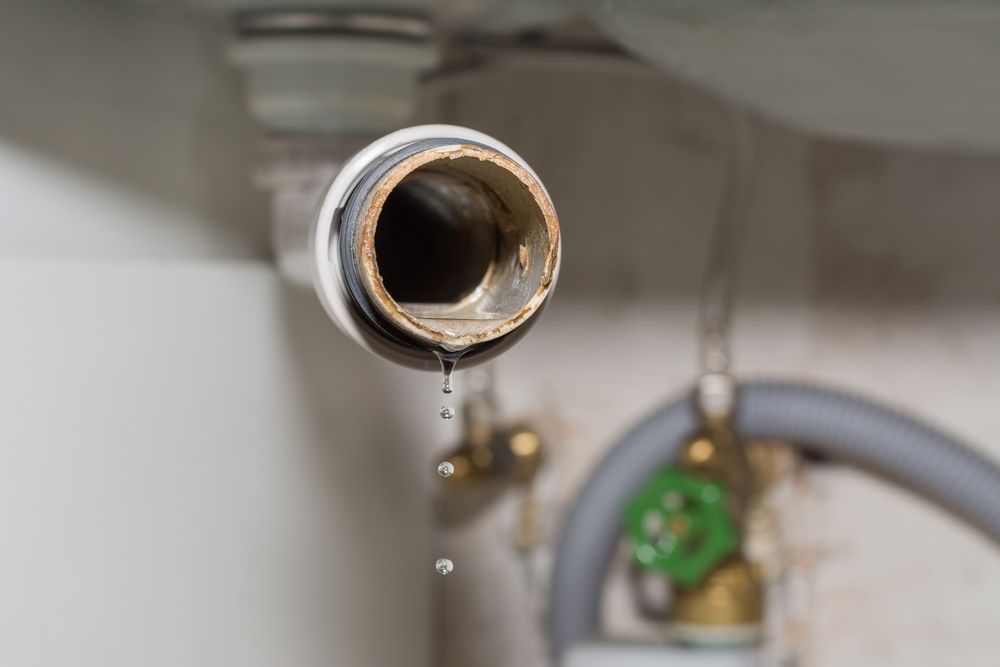
- Visible corrosion, rust staining or moisture pooling around the base of the unit
- Noticeably slower heat recovery or inconsistent water temperature across the day
- A system that has required multiple repairs in the past two to three years and is already past the midpoint of its expected lifespan
For a deeper look at what to watch for, see our guide on the
signs your hot water system needs replacing.
Repair or Replace: How to Make the Call
The repair-or-replace question comes up every time an ageing system develops a fault, and the honest answer is that it depends on a combination of age, repair cost and the broader condition of the unit.
A useful rule of thumb: if the repair cost is more than half the price of a new system and the unit is already past the midpoint of its expected lifespan, replacement is almost always the more sensible investment.
Beyond cost, there are a few other factors worth considering:
- Older systems are typically less energy-efficient than current models, meaning a new installation can reduce ongoing running costs
- Repeated minor faults in a short window usually indicate broader internal deterioration, not isolated component failure
- Spare parts for older or discontinued units become harder to source over time, which drives up both repair costs and wait times
- A new system installation comes with a manufacturer warranty, providing several years of coverage from day one
If you're weighing up the options and aren't sure which direction makes sense, our team can help with
hot water system replacement Gympie homeowners can rely on for straightforward, honest advice.
How Solar Hot Water Systems Age Differently
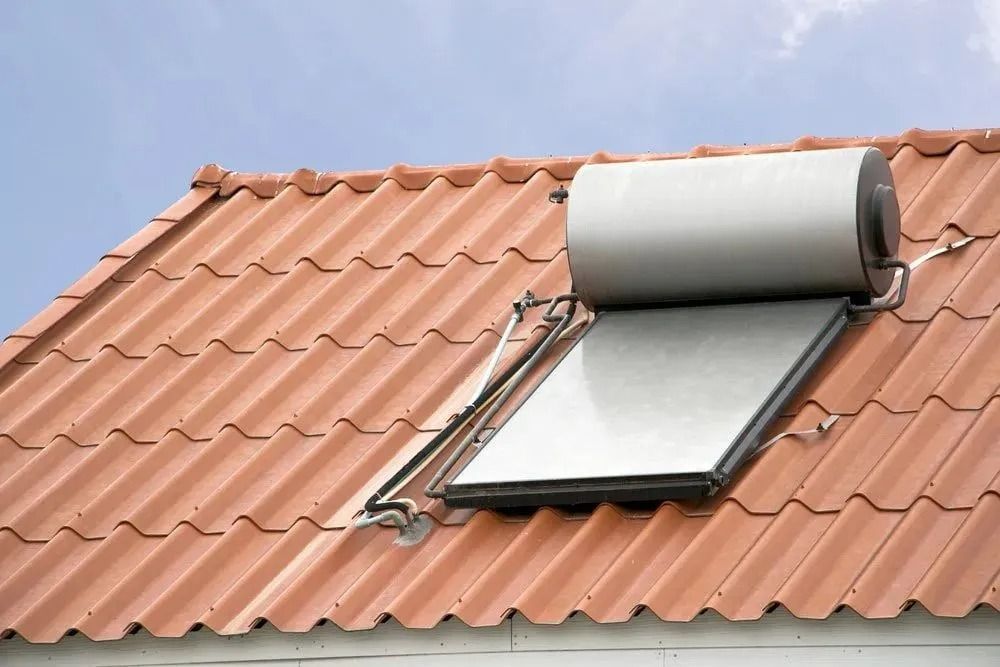
Solar hot water systems age in a way that sets them apart from electric and gas units, largely because they have two distinct components that don't always wear at the same rate. The collector panels on a rooftop solar system are built to last and can remain functional well beyond twenty years. The storage tank, however, is subject to many of the same pressures as a conventional electric unit and may need replacing before the collectors do.
A few points specific to solar systems:
- The electric or gas booster fitted to most solar systems adds mechanical complexity and is a common source of faults as the system ages
- Annual inspections help catch deterioration in the collector connections, tank lining and pressure valves before they become costly
- Solar system performance naturally declines over many years even without obvious faults, which can be mistaken for a separate hot water issue
- Queensland's climate makes solar one of the more cost-effective long-term options when the system is correctly sized and maintained
Solar units can last well beyond 20 years with proper care. Learn more about
solar hot water Gympie options if you're considering an upgrade or want to know how your existing system is tracking.
What to Do When You Don't Know the Age of Your System
A large number of homeowners have no idea how old their hot water system is, particularly those who've recently purchased a property or haven't thought to check. Not knowing the history of a system doesn't mean you're without options.
There are a few straightforward ways to work out where it sits in its lifespan and what condition it's likely to be in:
- Check the manufacturer's label or compliance plate on the unit itself, which typically shows the installation or manufacture date
- Look up the serial number with the manufacturer, as many brands encode the production year into the serial format
- Review the property's pre-purchase inspection report if you bought within the last few years
- Book a condition assessment with a licensed plumber to get a realistic picture of the unit's remaining service life
Starting from a position of actual information is far more useful than guessing based on performance alone, particularly if you're planning a renovation or considering a system upgrade.
Get an Honest Assessment from Our Team
We at
Malouf Plumbing know that most homeowners don't think about their hot water system until something forces the issue. Whether your unit is pushing ten years old, showing early warning signs or you've just moved into a property and want to know what you're working with, we're here to give you a clear picture without the runaround. Our licensed team handles everything from anode inspections and routine servicing through to full system replacements across electric, solar and heat pump options. We service Gympie, Rainbow Beach and the surrounding region, and we're familiar with the local conditions that affect how these systems perform and wear over time. Not sure where your system is at?
Get in touch with our team and we'll give you an honest assessment of what you're working with and what, if anything, needs to happen next.